The Power Surge: How AI is Fueling a Global Data Center Energy Crisis
Introduction: The Generative AI Energy Collision

For the past decade, the investment narrative has been defined by the “software-eats-the-world” thesis. Institutional portfolios were heavily skewed toward SaaS, hyper-scalers, and cloud-native service providers. However, we have reached a definitive inflection point. The meteoric rise of Generative AI has moved from the realm of algorithmic innovation to a tangible, physical infrastructure crisis.
We are currently witnessing a “Generative AI Energy Collision.” The exponential power requirements of training large language models (LLMs) and deploying inference at scale are crashing into a global electrical grid that was never designed for this level of load intensity.
This is not merely a supply chain bottleneck; it is a macro-thematic shift. We are observing sophisticated institutional capital—sovereign wealth funds, Tier-1 asset managers, and global macro hedge funds—beginning to rotate out of traditional tech overweights. The thesis is clear: the value has migrated from the digital software layer to the physical energy layer. To capture the alpha of the next decade, investors must pivot toward hard-asset industrials and utility providers capable of locking in multi-decade, inflation-protected monetization.
Key Takeaways
- The Power Wall: Modern AI data centers require 40kW–100kW per rack, a 10x increase over traditional enterprise infrastructure, straining existing grids.
- The Nuclear Renaissance: With renewable energy proving too intermittent for 24/7 “always-on” AI compute, nuclear power is emerging as the preferred baseload solution.
- Infrastructure Alpha: The primary investment opportunity has shifted from software developers to grid-modernization firms, utility conglomerates, and essential commodity providers.
- The “Captive” Model: Tech giants are pivoting from being utility customers to becoming utility partners, signing multi-decade Power Purchase Agreements (PPAs) that ensure stable, long-term returns for energy providers.
Table of Contents
- The Power Crunch: Why AI Infrastructure is Outstripping the Grid
- The Nuclear Renaissance and Next-Generation Baseload Power
- Positioning Portfolios for the Generational Commodities Supercycle
- Strategic Playbook for Institutional Investors
- Conclusion: The Generational Opportunity
1. The Power Crunch: Why AI Infrastructure is Outstripping the Grid
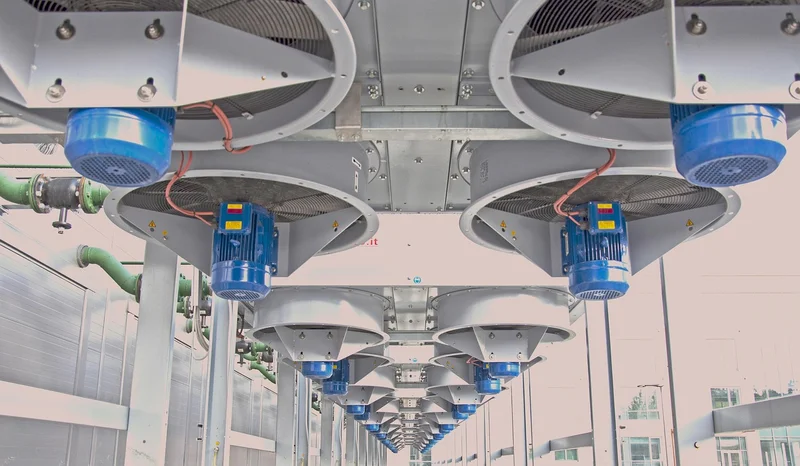
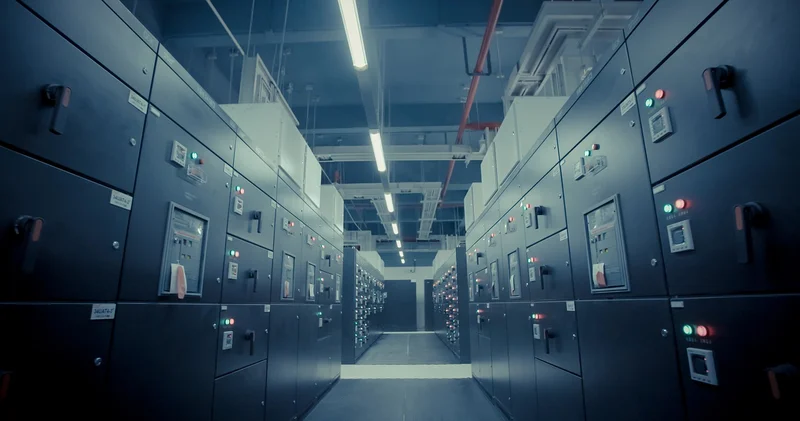
To understand the scale of the energy demand, one must look beyond the individual data center to the aggregate consumption of a modern AI cluster. A single modern GPU rack can consume 40kW to 100kW of power—dwarfing the 5kW to 10kW per rack seen in traditional enterprise data centers, according to data from the International Energy Agency (IEA). When scaled to “hyperscale” facilities that consume hundreds of megawatts, these sites begin to look more like small cities than server farms.
The problem is the grid’s structural fragility. Decades of under-investment in transmission and distribution (T&D) infrastructure have left the global energy architecture brittle. We face three primary bottlenecks:
- Permitting and Interconnection Queues: In many developed markets, the “queue” to connect a new data center to the high-voltage transmission grid now stretches into the 2030s.
- Transmission Limitations: Power is often generated in remote locations where renewables are abundant, but demand is concentrated in urban “latency-sensitive” hubs. Our ability to move that power is currently throttled by aging steel-and-wire infrastructure.
- The Reliability Gap: AI data centers cannot “throttle down.” They require 99.999% uptime. This creates an urgency for tech giants like Microsoft, Amazon, and Google to go beyond the spot market. They are no longer just customers of utility providers; they are becoming partners in the build-out of private, dedicated energy generation, effectively becoming their own utility companies.
For more context on the mechanics of these constraints, see our guide on how to research industrial stocks for the current market cycle.
2. The Nuclear Renaissance and Next-Generation Baseload Power
For years, the energy sector focused on a transition to intermittent renewables: wind and solar. While these remain critical for decarbonization, they are fundamentally ill-equipped to power the 24/7, baseload demands of AI. You cannot train a foundational model on the “hope” of sunshine or a steady breeze.
This technical reality has catalyzed a Nuclear Renaissance. Nuclear power, with its high energy density and consistent 95%+ capacity factor, has become the “gold standard” for the AI era.
We are seeing a profound shift in how these assets are valued. Through multi-decade Power Purchase Agreements (PPAs), utilities are moving away from the regulated, low-growth utility model of the past and into high-margin, “captive” growth plays. When a tech giant signs a 20-year PPA to purchase the entire output of a nuclear plant, they effectively guarantee the utility a rate of return and revenue stability that is virtually immune to economic cycles.
Furthermore, we are moving toward the deployment of Small Modular Reactors (SMRs). SMRs offer the promise of decentralized, localized energy generation that can be situated adjacent to massive data center campuses, bypassing the need to wait for massive, years-long transmission grid upgrades. This represents the “de-risking” of energy supply—a premium asset in an era of heightened geopolitical instability.
3. Positioning Portfolios for the Generational Commodities Supercycle

The AI energy boom is the precursor to a massive commodities supercycle. Electrifying the global economy requires a total overhaul of the copper, aluminum, steel, and lithium value chains.
Structural Electrification
The grid requires a complete “re-wiring.” This means a massive increase in demand for high-voltage transformers, switchgear, and intelligent distribution hardware. Investors should look toward the “picks and shovels” of this transformation: the industrial giants responsible for grid modernization.
Hard-Asset Industrials
As capital shifts, we are favoring firms with high barriers to entry—companies that hold the patents and manufacturing capabilities for grid-scale energy management. Decentralized microgrid developers, who enable data centers to operate with some level of independence from the primary utility, are also emerging as prime targets for acquisition or partnership. Learn more about the future of the smart grid to identify which technology providers are best positioned for this shift.
Navigating Bond Volatility
We must address the elephant in the room: the cost of capital. This energy transformation requires trillions of dollars in Capex. Historically, this environment would be toxic for long-duration sovereign bonds. However, by positioning in infrastructure-backed equities—stocks that have intrinsic, physical value and pricing power—investors can hedge against the volatility that higher-for-longer interest rates might impose on more speculative growth sectors. When the currency debases or rates fluctuate, physical infrastructure that is essential to the functioning of the AI economy remains an anchor of value.
4. Strategic Playbook for Institutional Investors

For the institutional allocator, the “AI Energy Boom” requires a transition in three dimensions:
- From Software to Steel: Reduce the overweight exposure to high-multiple, software-only tech companies. Redirect that capital toward “Integrated Energy Infrastructure.” The most valuable companies of the next decade will be those that sit at the intersection of power generation and compute.
- Focus on “Essentiality”: Prioritize companies that possess the permits, grid access, and land rights. In an era where power is the scarcest commodity, those who control the “pipes” and the “plugs” hold the ultimate pricing power.
- Regulatory Alpha: Mitigate risk by focusing on jurisdictions with clear policy support for nuclear and grid expansion. Governments are beginning to recognize that AI leadership is a matter of national security; therefore, energy projects that serve this sector are increasingly receiving “fast-track” status.
Risk Management: Execution and Supply Chain
The primary risk is not lack of demand, but execution risk. The energy sector is notoriously slower than the software sector. Supply chain constraints for critical components—such as large power transformers—are severe. Portfolios should avoid pure-play “concept” stocks and instead focus on established utility conglomerates and industrial giants with long-term order backlogs and proven track records of large-scale project management.
Conclusion: The Generational Opportunity

The narrative that AI is purely a “software story” is a dangerous oversight. Generative AI is an energy-intensive machine that requires a physical foundation to survive.
We are standing at the beginning of a generational shift in capital allocation. The transition from digital-only growth to “AI-enabled industrial growth” is already underway. By identifying the utilities that have secured baseload nuclear power, the industrials that are building the next generation of the grid, and the commodity providers that are extracting the essential materials for this rebuild, institutional investors can move beyond the volatility of the tech-stock cycle.
The AI revolution will not be won solely by the company with the best model; it will be won by the company with the most power. Those who position their portfolios to own the infrastructure of that power will be the primary beneficiaries of this new era. We are not just investing in the energy sector; we are investing in the substrate of the modern economy. The “AI Energy Boom” is the most predictable, macro-economically significant trend of the next two decades. Now is the time to pivot.